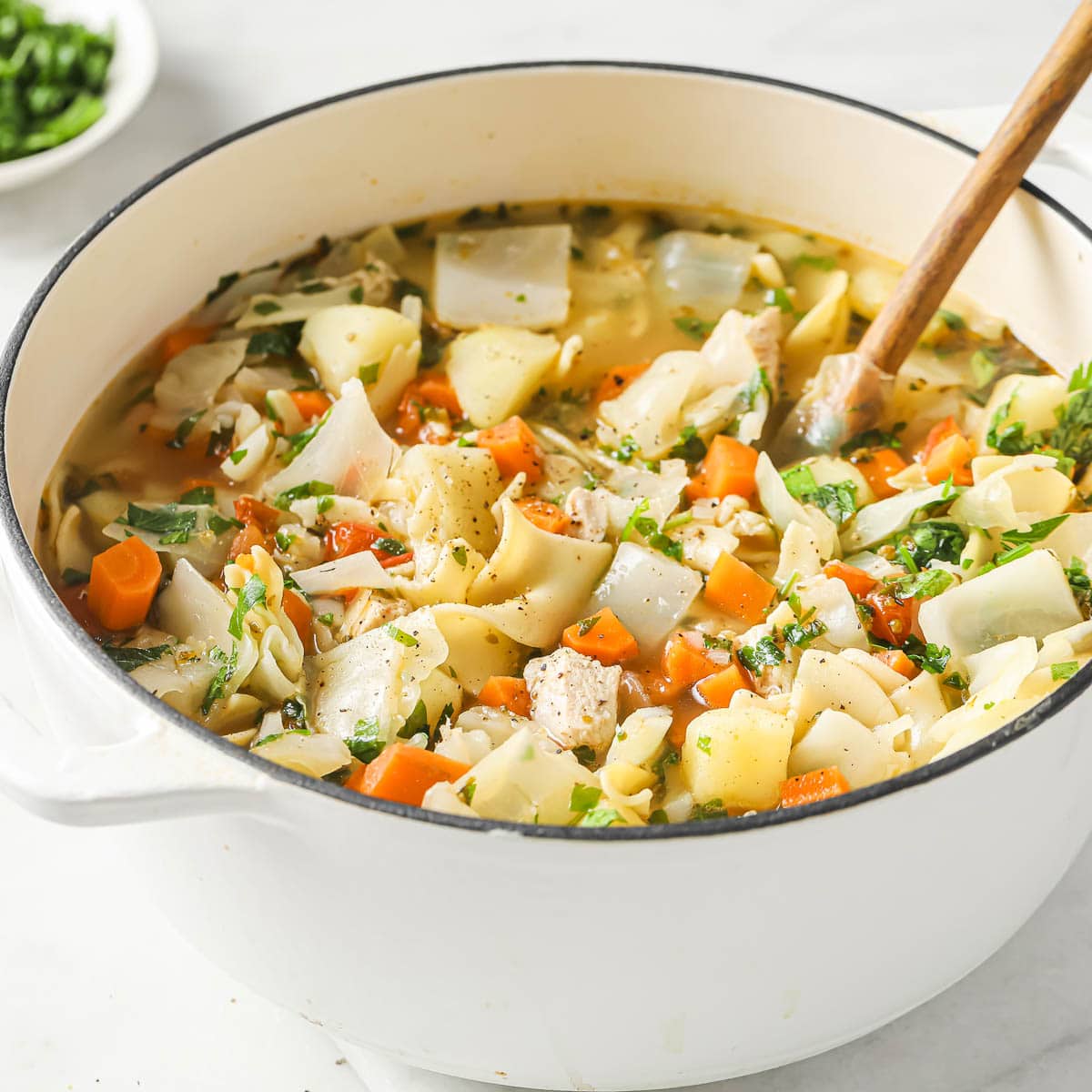
Healthy Vegetable Chicken Noodle Soup: Comfort in a Bowl
There are few dishes as universally comforting and restorative as a warm bowl of chicken noodle soup. It's the culinary equivalent of a hug, capable of chasing away chills, soothing a weary soul, and even providing solace when you're under the weather. But what if you could elevate this beloved classic, making it even more nutritious, flavorful, and vibrant? Enter the star of our show: homemade vegetable chicken noodle soup.
This isn't just your grandmother's recipe; it's an enhanced version, packed with an abundance of fresh vegetables that not only boost its health quotient but also deepen its already incredible flavor profile. Forget the bland, overly salty store-bought versions; crafting your own homemade vegetable chicken noodle soup is a rewarding experience that yields a soup that tastes like it's been simmering for hours, yet comes together surprisingly quickly. It's a dish that genuinely makes you smile, offering a delicious blend of tender chicken, hearty noodles, and a rich, aromatic broth that's brimming with wholesome goodness.
Why Homemade Vegetable Chicken Noodle Soup Reigns Supreme
The allure of a homemade soup extends far beyond its ability to warm you up. When you take the time to prepare your own homemade vegetable chicken noodle soup, you're investing in unparalleled taste, superior nutrition, and complete control over your ingredients. Unlike many commercially produced soups, which can be high in sodium and lack the vibrant flavors of fresh produce, your homemade creation offers a canvas for fresh, wholesome components.
It’s the ultimate comfort food, perfectly suited for chilly evenings, a quick weeknight meal, or as a loving gesture when someone needs a pick-me-up. The extra vegetables not only make it healthier, but they also contribute to a richer, more complex flavor and a beautiful visual appeal. The act of creating something so nourishing from scratch is incredibly satisfying, and the end result is a bowl of goodness that genuinely feels extra good to eat.
Unlocking Flavor: Key Ingredients and Techniques for Your Best Bowl
Crafting an extraordinary bowl of homemade vegetable chicken noodle soup isn't just about combining ingredients; it's about understanding how each component contributes to the symphony of flavors. Here's how to build a soup that will impress every time:
The Foundation: Broth & Fat
The soul of any great soup is its broth. While homemade chicken stock is undoubtedly the gold standard, a high-quality store-bought chicken stock can also produce excellent results. Look for broths with a darker hue, which often indicates a richer flavor. But the true secret to a deeply flavorful broth begins even before the liquid is added: sautéing your vegetables. Heat a good quality oil, or even better, a knob of butter or rendered chicken fat (schmaltz), in your Dutch oven. This simple step not only softens the vegetables but also coaxes out their natural sweetness and depth, eliminating any raw onion or garlic notes. Taste your broth early and often! Store-bought options can sometimes be a bit bland, so don't be shy with early seasoning. A little salt added now will help build a more robust flavor as the soup cooks, separating an "okay" soup from a truly great one.
The Star: Chicken Choices
For the most tender, flavorful chicken that practically melts in your mouth and imparts rich flavor into your broth, chicken thighs are the undisputed champion. They cook quickly (around 20 minutes when gently poached directly in the simmering broth), remain incredibly moist, and are easy to shred. While you can certainly use a whole chicken for a more traditional, long-simmered broth, thighs offer an unbeatable combination of speed and tenderness. For an even faster weeknight solution, shred pre-cooked rotisserie chicken or leftover roast chicken and stir it in towards the end of the cooking process, just long enough to heat through.
The Healthy Boost: Vegetable Medley
Beyond the classic "mirepoix" (onion, carrots, celery), which forms the aromatic backbone of countless soups, our homemade vegetable chicken noodle soup embraces an abundance of other healthy vegetables. Feel free to stir in fresh spinach or kale leaves for a burst of green and added nutrients. Other fantastic additions include diced zucchini, bell peppers, green beans, or even small broccoli florets. The key is to add tougher vegetables earlier to ensure they soften, and more delicate greens like spinach towards the very end to prevent them from becoming overcooked and mushy.
The Heartiness: Noodle Nuances
Egg noodles are a beloved choice for chicken noodle soup due to their soft texture and ability to absorb flavor. However, don't feel limited! Any favorite pasta can be substituted, from small shells to ditalini, or even delicate tortellini for an extra layer of richness. The trick to perfect noodles is timing: add them about 10 minutes before you plan to serve. Cooking them directly in the soup allows them to soak up all that delicious chicken flavor and release a touch of starch, which gives the broth a lovely, silky texture. If you desire a thicker, stew-like soup, simply increase the amount of uncooked noodles and adjust with additional stock as needed.
Aromatic Accents & Finishing Touches
Herbs are vital for adding "backbone" to your broth. Fresh thyme, oregano, and parsley are highly recommended, with dried bay leaves contributing a subtle, earthy depth. For a burst of freshness, stir in chopped fresh parsley just before serving. But don't stop there! Brighten up your soup with a squeeze of fresh lemon juice, which adds a wonderful zing and cuts through the richness. A dash of your favorite hot sauce can provide a gentle warmth, and for an unexpected umami kick, a few dashes of fish sauce can work wonders – it’s truly a secret weapon in building complex flavor. Always taste your soup one last time before serving. If it doesn't quite make you smile, it likely needs a touch more salt, a squeeze of lemon, or perhaps a dash of those secret seasonings.
Crafting Your Homemade Vegetable Chicken Noodle Soup: A Step-by-Step Guide
The beauty of this recipe lies in its straightforward approach, making it accessible even for novice cooks. Here’s a streamlined guide to your delicious bowl of comfort:
- Sauté the Aromatics: In a large Dutch oven or heavy pot, heat your chosen fat (oil, butter, or schmaltz) over medium heat. Add finely chopped carrots, onion, celery, minced garlic, dried oregano, dried thyme, a pinch of salt, and freshly ground black pepper. Cook and stir for 8 to 10 minutes, or until the vegetables have softened significantly and become fragrant. This step is crucial for developing deep flavor.
- Build the Broth: Stir in your chicken stock and lemon juice. Bring the mixture to a boil, then reduce the heat to medium-low and let it simmer gently for about 10 minutes. This allows the flavors to meld beautifully.
- Cook the Chicken (if starting raw): If using raw chicken thighs, gently add them to the simmering broth. Poach for about 20 minutes, or until cooked through and tender. Remove the chicken, shred it using two forks, and then return it to the pot. If using pre-cooked chicken, you'll add it later.
- Add the Noodles: Stir in your chosen noodles. Continue to simmer for about 5 minutes, or according to package directions, until the noodles are al dente. Remember, you don't want them mushy!
- Final Touches: If using pre-cooked chicken, add it now and simmer for another 5 minutes to ensure it's heated through. Stir in any delicate greens like spinach or kale during the last minute or two of cooking until just wilted.
- Season and Serve: Taste the soup and adjust seasoning with additional salt, pepper, or other finishing agents like a squeeze of lemon juice or a dash of fish sauce. Ladle into bowls and garnish generously with fresh chopped parsley, if desired. For more tips on speeding up your cooking process without compromising on taste, check out our guide on Fast & Flavorful: Your Homemade Chicken Noodle Soup Guide.
Customization and Storage Tips
Making it Your Own
Don't hesitate to personalize your homemade vegetable chicken noodle soup. Add a pinch of turmeric for its vibrant color and anti-inflammatory properties. A touch of red pepper flakes can introduce a subtle heat. Consider adding other vegetables like diced potatoes, corn, or even a can of cannellini beans for extra fiber and protein. For a creamier texture, you could stir in a splash of milk or cream towards the end, though this deviates slightly from the traditional healthy, clear broth profile.
Storing and Reheating
This soup makes excellent leftovers! Store any remaining soup in an airtight container in the refrigerator for up to 3-4 days. For longer storage, it freezes beautifully for up to 3 months. A pro tip for preventing soggy noodles: if you anticipate having leftovers, cook the noodles separately and add them to each serving bowl, rather than directly into the main pot of soup. This keeps them perfectly al dente. When reheating, a little extra stock or water might be needed to adjust consistency.
Conclusion
There's an undeniable magic in a bowl of homemade vegetable chicken noodle soup. It transcends mere sustenance, offering a profound sense of comfort, warmth, and nourishment that store-bought versions simply can't replicate. By embracing fresh ingredients, understanding key cooking techniques, and adding your personal touch, you can create a soup that not only satisfies hunger but also truly soothes the soul. So, next time you're craving a comforting meal, skip the can and treat yourself and your loved ones to the unparalleled goodness of a homemade bowl.
